Capability Overview / Facility Management Services

Built on 40 years of building experience

Your building works hardest when no one notices it. Systems run, temperatures hold, and equipment lasts because disciplined, experienced facility management services are applied consistently, year after year. That is what FSE has delivered since 1985.

image

Why facility management matters more than ever

Buildings are getting older, budgets are getting tighter, and the systems inside them are getting more complex. Facility leaders are being asked to do more with less, often while managing infrastructure that was never designed for today's usage patterns or energy costs.

image
RISK / 01

Aging infrastructure

Equipment does not fail all at once. It degrades quietly until a chiller, air handler, or panel finally gives out at the worst possible time.

RISK / 02

Rising operating costs

Energy waste, emergency repair premiums, and early asset replacement all add up when maintenance is inconsistent or reactive.

RISK / 03

Compliance pressure

Safety, environmental, and code requirements keep expanding, particularly for healthcare facilities, laboratories, and federal buildings.

RISK / 04

Occupant comfort

Temperature swings, air quality issues, and equipment noise affect productivity and trust in the people responsible for the space.

Why choose FSE Inc.

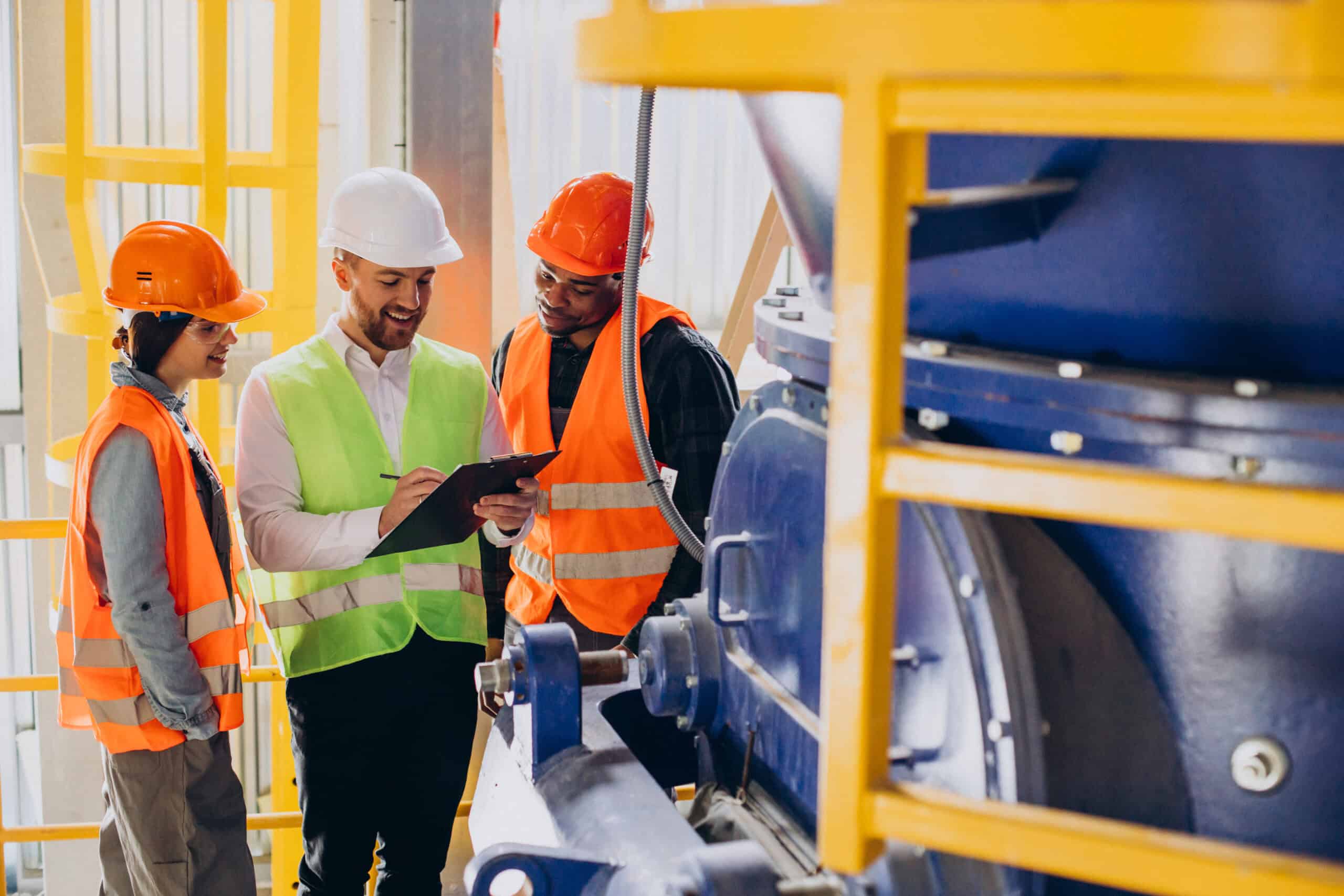
Facility owners do not need another vendor that shows up when something breaks. They need a partner who understands how buildings actually operate and takes ownership of outcomes, not just tasks.

FSE was founded as a small mechanical and general contractor and grew because our work earned trust, one building relationship at a time. That growth came from federal agencies that hold their facility partners to demanding standards for reliability, documentation, and accountability. The habits built serving those clients carry over into every building we support today.

We are a small business, owned and operated by five siblings, which shapes how we work. Decisions get made quickly, technicians are treated as skilled professionals, and our stated approach, positive people providing excellent service with exceptional care, is less a slogan than an operating expectation for everyone on the team.

Clients choose FSE because we bring mechanical, electrical, and operational expertise together under one roof instead of forcing facility managers to coordinate separate vendors for each system. That integration is what allows small issues to get caught before they become large ones.


image

Comprehensive facility management services

A building is not a collection of unrelated systems. HVAC, electrical, plumbing, and controls all interact, and problems in one area frequently show up as symptoms in another. Our service offering reflects that reality.

PM

Preventive Maintenance

Scheduled inspections, adjustments, and part replacements keep equipment operating within design parameters and extend the life of expensive assets.

CM

Corrective Maintenance

Our technicians diagnose the actual cause of a failure rather than treating symptoms, reducing the chance of recurrence within months.

HVC

HVAC Support

We protect occupant comfort, indoor air quality, and energy efficiency, with particular attention to laboratories and mission-critical facilities.

MEC

Mechanical Systems

Boilers, chillers, and pumps require specialized knowledge. Our mechanical contracting background means we understand these systems at a design level.

ELE

Electrical Systems

From panels and distribution equipment to emergency power, safety is the non-negotiable priority on every electrical job we take on.

PLM

Plumbing Systems

General plumbing expertise paired with an understanding of the regulatory requirements specific to laboratory and healthcare environments.

FAS

Facility Assessments

We evaluate building condition, assign ratings to major assets, and identify deficiencies that need immediate attention.

View assessment services →
CX

Commissioning Support

We verify systems operate to specification before handover, and our retro-commissioning brings existing buildings back into alignment.

View commissioning services →
ENR

Energy Management

We review schedules, controls, and consumption patterns to find savings, and make sure those savings hold rather than quietly disappearing.

View energy services →
SVC

Service & Repair

Decades of combined experience across HVAC, electrical, and plumbing systems, brought to bear to resolve issues correctly the first time.

View service & repair →
BPO

Performance Optimization

Beyond individual repairs, we look at how a building performs as a whole, and where reliability and efficiency can improve.

SEC

Security Systems

Access control, surveillance, and alarm systems, installed and maintained to protect people, property, and building operations.

View security services →

These services are not designed to be purchased piecemeal. They are built to work together, which is the foundation of an integrated approach to building operations and facility maintenance.

An integrated approach to facility management

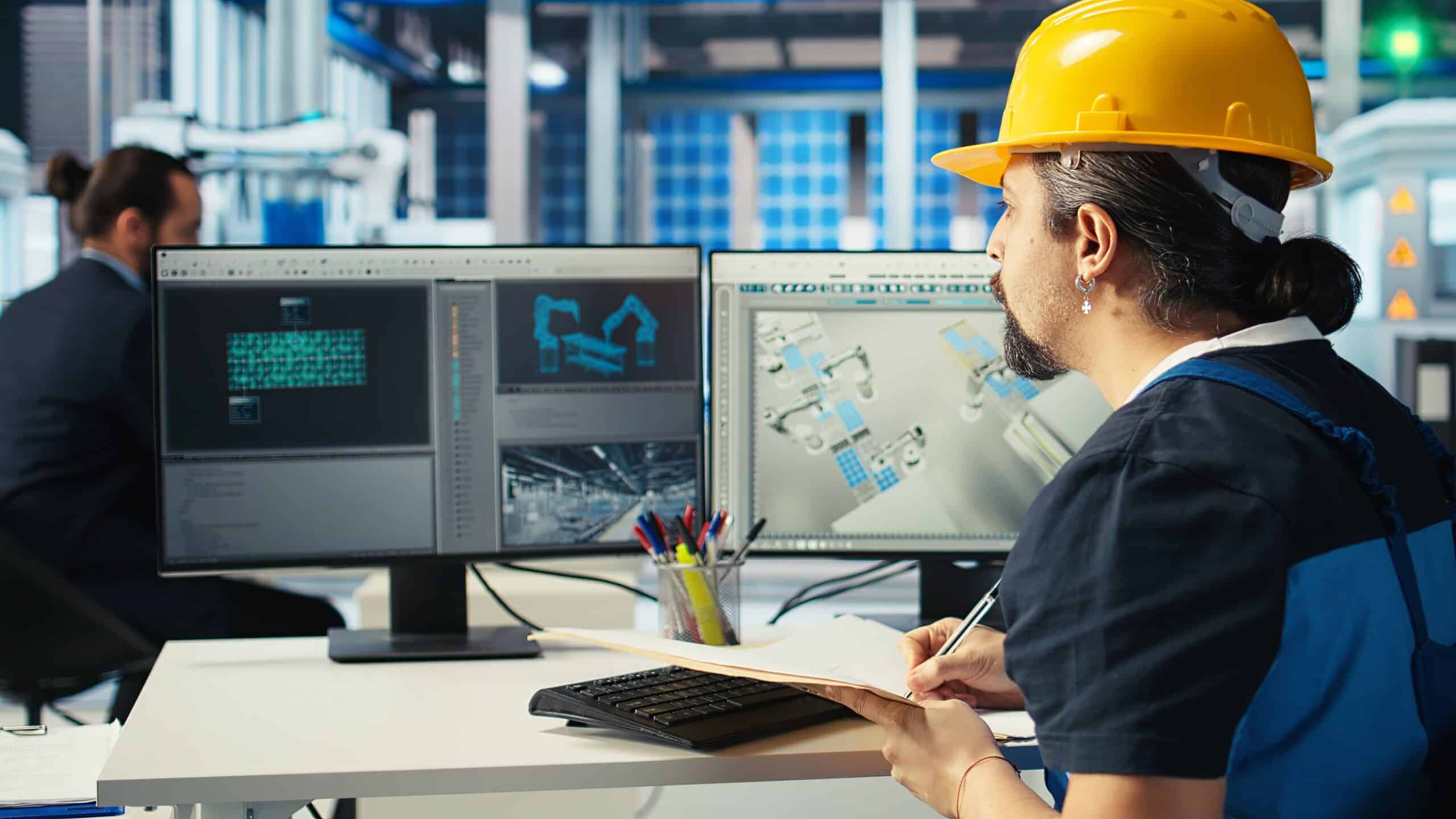
Buildings run better when the people maintaining them have a complete picture, not a partial one. When maintenance, mechanical and electrical support, assessments, and energy management are handled by the same team, information flows freely instead of getting lost between vendors.

image

A technician who services HVAC equipment weekly will notice early signs of electrical strain on a motor, or a control issue that would otherwise go undetected until it triggers a larger failure. An integrated program captures those observations and acts on them, rather than treating each system as someone else's responsibility.

01 / RELIABILITY

Fewer surprises

Problems get caught earlier, before they interrupt operations.

02 / COST

Planned, not reactive

Maintenance spend becomes predictable rather than emergency-driven.

03 / ASSET LIFE

Consistent care

Equipment maintained to one standard, not several conflicting ones.

04 / EXPERIENCE

Occupant comfort

Consistent performance is what people actually notice, day to day.

Industries we serve

Every building type comes with its own operational demands. Our experience spans a range of facility environments, each with distinct requirements.

FED

Federal Facilities

Strict accountability and documentation standards. FSE holds Oasis+ contract vehicles and a history supporting agencies including the CDC, USDA, FDA, NOAA, and NIOSH.

GOV

Government Buildings

Maintenance programs built around continuity of operations and long-term asset planning.

HC

Healthcare

Air handling, electrical redundancy, and infection control shape how we maintain critical systems.

LAB

Laboratories

Precise environmental control, containment, and fume hood testing for research and testing facilities.

COM

Commercial Buildings

Dependable systems that support tenant satisfaction and asset value across a portfolio.

IND

Industrial Facilities

Maintenance built around equipment reliability and minimizing production-impacting downtime.

EDU

Educational Institutions

Extending the life of existing infrastructure and planning capital improvements around realistic budgets.

Building performance starts with reliability

Reliability, asset longevity, and occupant comfort are not separate goals. They are outcomes of the same disciplined maintenance approach applied consistently over time.

Preventive maintenance reduces the frequency of unplanned equipment failures. Well-maintained assets last longer, delaying the significant capital expense of premature replacement. Reduced downtime means fewer disruptions to the people who depend on a building every day.

Building performance also has a direct relationship with asset reliability. Equipment that runs within its designed parameters, rather than being pushed past normal operating limits to compensate for deferred maintenance, experiences fewer unexpected failures.

image

Reactive vs. proactive maintenance

Every facility eventually chooses, deliberately or by default, between a reactive maintenance posture and a proactive one. The difference in outcomes over time is significant.

Tag: Reactive

Wait, then repair

Feels less expensive month to month, since money is only spent when something breaks. Over time it tends to cost more: emergency labor premiums, secondary damage to related systems, and unplanned downtime that is expensive to absorb.

Tag: Proactive

Plan, then maintain

Schedules inspections and part replacement based on manufacturer guidance and observed condition. Reduces catastrophic failure, spreads costs predictably, and generates the condition data needed for accurate capital budgeting.

Our process

We approach every new facility relationship the same deliberate way, regardless of building size or complexity.

STEP 01

Consultation

Understanding your building, current challenges, and goals, without pressure or a predetermined solution.

STEP 02

Facility Assessment

Evaluating existing conditions across mechanical, electrical, and plumbing systems to establish an accurate baseline.

STEP 03

Asset Evaluation

Assigning condition ratings to major equipment for a clear picture of what needs attention now versus later.

STEP 04

Maintenance Planning

Building a program tailored to your building's specific systems, usage patterns, and budget constraints.

STEP 05

Implementation

Addressing immediate deficiencies while establishing routine preventive maintenance schedules.

STEP 06

Ongoing Monitoring

Tracking equipment performance and condition continuously, rather than waiting for the next scheduled assessment.

STEP 07

Continuous Improvement

Refining the maintenance plan as we learn more about how your building actually operates.

STEP 08

Performance Reporting

Clear, regular reporting on system condition and work performed, so decisions rest on current information.

Why long-term partnerships matter

Facility management works best as a relationship, not a transaction. A team that has serviced your building for years understands its quirks in a way a new vendor never can.

That institutional knowledge, which panel feeds which zone, why a particular unit runs slightly warmer than the others, which repairs are recurring symptoms of a larger issue, is difficult to replace and expensive to rebuild every time a contract changes hands.

Long-term partnerships also support better cost control. A partner who understands your building's history can plan capital replacements years in advance instead of reacting to sudden failures. Consistency in the technicians servicing your equipment means less time re-explaining building history and more time solving problems.

1985 — single building —> Today multi-campus, nationwide

Frequently asked questions

What are facility management services?+

These services cover the operation, maintenance, and repair of a building's mechanical, electrical, and plumbing systems, along with assessments, energy management, and capital planning that keep a facility safe, efficient, and reliable over time.

How is preventive maintenance different from corrective maintenance?+

Preventive maintenance follows a schedule to inspect and service equipment before problems occur. Corrective maintenance addresses failures after they happen. A strong program relies mainly on preventive work.

Why is commissioning important for facility management?+

Commissioning verifies that building systems operate according to design specifications before or after installation, catching performance gaps early and reducing long-term maintenance costs.

What does a facility assessment include?+

A facility assessment evaluates the current condition of building systems, assigns condition ratings to major assets, and identifies deficiencies needing attention, forming the basis for capital planning.

How can energy management reduce operating costs?+

Energy management reviews operating schedules, equipment performance, and consumption patterns to identify inefficiencies, though ongoing monitoring is needed to prevent savings from gradually eroding.

What industries benefit most from professional facility management?+

Healthcare, laboratories, federal facilities, commercial buildings, industrial sites, and educational institutions all benefit, since each depends on reliable building systems, though priorities vary by industry.

How often should HVAC systems be serviced?+

Service frequency depends on equipment type, age, and usage, but most commercial systems benefit from quarterly inspections at minimum, with critical systems requiring more frequent attention.

What is fume hood testing and why does it matter?+

Fume hood testing verifies that laboratory containment systems function correctly, protecting personnel from hazardous exposure and ensuring compliance with safety regulations.

What is the difference between reactive and proactive maintenance?+

Reactive maintenance responds to equipment after failure. Proactive maintenance schedules service based on condition and manufacturer guidance, reducing unplanned downtime and extending equipment life.

How does facility assessment support capital planning?+

Assessments provide the condition data needed to forecast upcoming repairs, upgrades, and replacements, allowing owners to prioritize projects and plan budgets accurately.

What should I look for in a facility management company?+

Look for a partner with demonstrated experience across mechanical, electrical, and plumbing systems, a track record with similar facility types, and a preventive maintenance philosophy.

Can these programs be customized for my building?+

Yes. Effective programs are built around a specific building's systems, usage patterns, and budget, following an initial assessment rather than a generic maintenance schedule.

How does integrated facility management differ from using multiple vendors?+

Integrated facility management consolidates services under one accountable team, improving communication and catching cross-system issues that separate, single-system vendors often miss.

What role does building performance play in occupant satisfaction?+

Building performance directly affects comfort, air quality, and reliability, all of which occupants notice even when they cannot describe the mechanical cause.

How do I get started with FSE's facility maintenance program?+

Getting started begins with a consultation to discuss your building's current condition and goals, followed by a facility assessment that establishes the baseline for a customized plan.

Start the conversation

Partner with a team that understands buildings

Reliable buildings are not the result of luck. They come from disciplined maintenance, honest assessments, and a team that treats your facility like it matters, because it does. If your building deserves better than reactive fixes and disconnected vendors, let's talk.

© Copyright 2026- All Rights Reserved
envelopephone-handsetmap-marker linkedin facebook pinterest youtube rss twitter instagram facebook-blank rss-blank linkedin-blank pinterest youtube twitter instagram